
Hypervigilance to Inner Calm: 10 Self-Soothing Practices That Helped Me Heal
Updated: Jul 27, 2025
If your life feels “busy”—with a dozen distractions running in the background, a restless need to monitor every corner of your world, and rare moments of true stillness—you’re in familiar company.
For years, I mistook my constant multitasking and sensory scanning as productivity. In truth, it was hypervigilance: that adaptive survival mode forged by early adversity, keeping me ever-alert, always seeking safety in control.
As Gabor Maté—one of the world’s foremost voices on trauma—so wisely reminds us:
“Trauma is not what happens to you. Trauma is what happens inside you as a result of what happens to you.”
Recognizing this inner transformation invited me, gently and over time, to begin unlearning old patterns and build a toolkit of self-soothing and grounding practices. These are not escape hatches, but bridges: bringing me home to my body, returning my attention to the present, and restoring trust in my own nervous system.
Below you’ll find the ten rituals that became anchors in my healing. They are grouped by theme, with each offering trauma-aware suggestions for gentle exploration—true to both my professional roots and my lived journey.
1. Hands at Work, Mind at Rest
Therapeutic Tasks: Repetitive, tactile actions—knitting, crocheting, folding clothes, or even rolling dough—give anxious hands a purpose while offering the mind a chance to unwind.
Why it Works: Somatic experiencing pioneer Peter Levine notes that “healing trauma means restoring a sense of balance and rhythm to the body.” These simple acts offer that quiet, restoring rhythm.
Gentle suggestion: Keep a “hands project” easy-to-reach for anxious or overstimulated moments. Let it become your nervous system’s lullaby.

2. Rituals of Touch and Soothe
Evening Foot Massage: Using oil or lotion, tend to your feet for 5-15 minutes nightly. Notice warmth, texture, and pressure.
Weighted Comfort: Try a light weighted blanket, a snug shawl, or even deep pressure hugs. The aim is secure “containment,” not pressure to relax.
Therapeutic Insight: Deep touch activates the parasympathetic system—the body’s rest-and-digest mode. As trauma researcher Bessel van der Kolk writes, “Touch is one of the most essential elements of human development.”
3. Creative Presence
Neuro-Art & Intuitive Drawing: Doodle freely—Zentangle, unconscious lines, or shapes. Drawing with your non-dominant hand can unlock buried feelings and playful discovery.
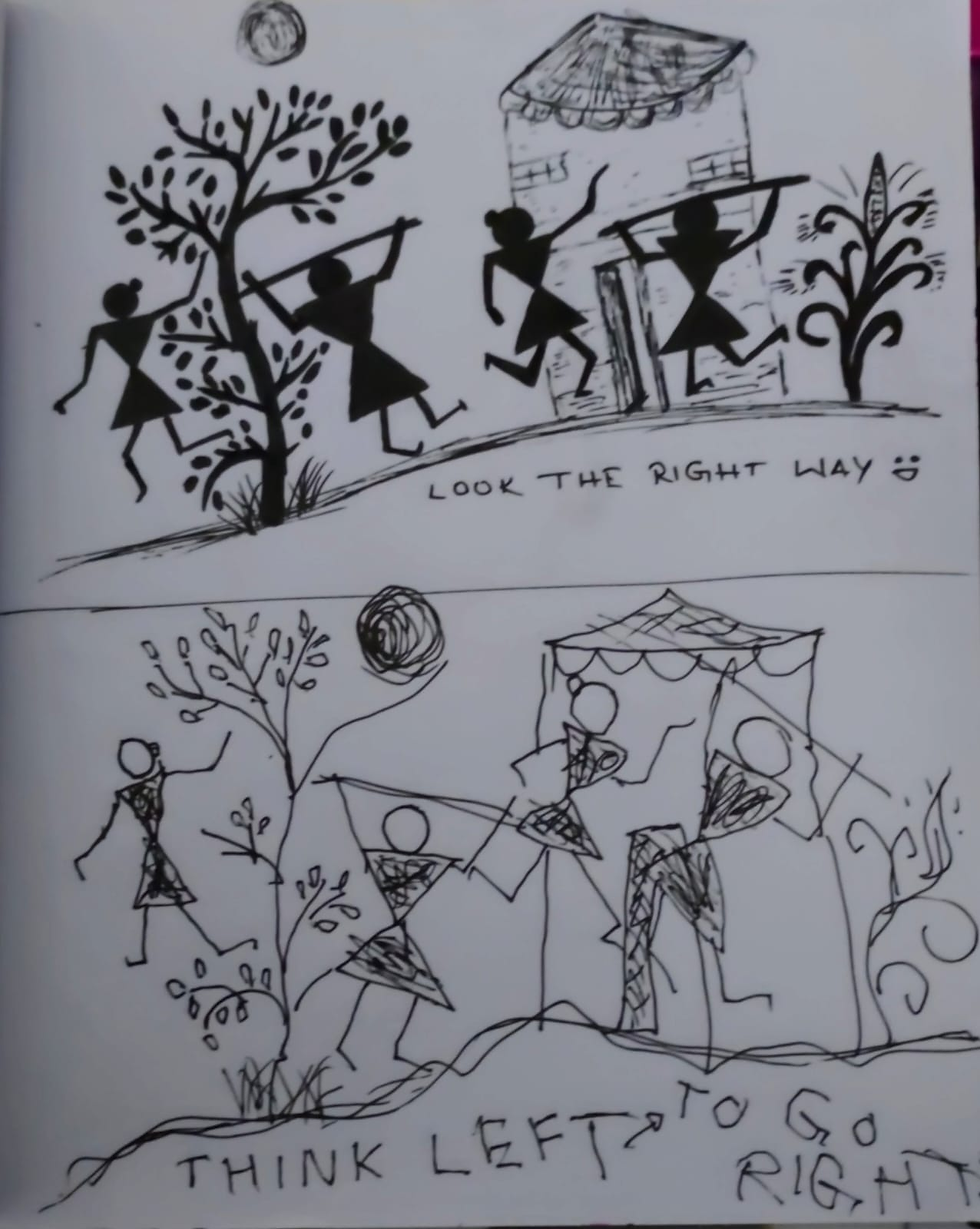
Journaling as Anchoring: Free-write your thoughts, story ideas, or sensations. Some pages will surprise you; others may simply absorb worry.
Gentle suggestion: Don’t chase “pretty” results. Let the process itself be your grounding.


4. Sensory Grounding Objects
Tactile Anchors: Keep a smooth stone, textured mala bead, Fidget cube, or fabric swatch close by. During spikes of restlessness, roll or squeeze your chosen object—notice the sensations closely.
Why it matters: Physical sensory input can redirect racing, chaotic thoughts and amplify present-moment awareness. As Pat Ogden (founder of Sensorimotor Psychotherapy) teaches, “The body keeps the score, and it also enables release.”
5. Mindful Nourishment
Slow Eating: Attend to taste, texture, smell—let a single meal be free of devices or distractions. Tune into cues for hunger and satiation.
Conscious Consumption: Prepare herbal tea or fruit mindfully, describing each step aloud (internally, if you prefer).
Therapeutic note: Mindful eating builds interoception—awareness of internal states—and aids in boundary work for those with histories of deprivation.
6. Nature Connection
Quoting Thich Nhat Hanh: “Walk as if you are kissing the earth with your feet.”
Plant Care: Water, prune, and nurture even one small plant. Watch for new leaves, changes in soil, subtle growth.
Barefoot Grounding: Walk slowly on grass, tile, or textured surfaces. Feel each step as a gentle invitation into the “now.”
7. Slow Movement and Breath
Intentional Walking: Move at half-speed, noticing sounds, colors, smells around you. Link your breath to your steps, inhaling gently, exhaling slowly.
Breath Cues: Quietly elongate your exhalation by one or two counts. No need to force—let it be a whisper of calm.
Therapeutic suggestion: If walking feels unsafe, even swaying gently or rocking side to side can ground you.
8. Orienting with the Senses: The 5-4-3-2-1 Reset
Pause and Observe: Name 5 things you can see, 4 you can touch, 3 you can hear, 2 you can smell, and 1 you can taste or feel grateful for.
Why: This classic grounding technique quickly anchors you in the here-and-now, moving attention from the mind’s stories to the body’s experience.
Gentle reminder: Whenever hypervigilance spikes, sensory orienting can become your first step home.
9. Permission to Be — Not Just Do
Restful Presence Practice: Give yourself 5–10 minutes daily with no agenda: sitting by a window, watching light play, or noticing the rhythm of your own breathing.
Therapeutic reflection: Healing involves both action and spaciousness. Allowing stillness—however uneasy at first—begins to rewrite the urgency in your nervous system.
10. Gentle Self-Compassion
Affirmation and Reassurance: When distress arises, I gently tell myself: “It makes sense I feel this way. I am learning to be safe.”
Pause to Acknowledge: Softly placing a hand over your heart or cheek can bring warmth and acceptance.
As Kristin Neff, a leading researcher on self-compassion, offers:
“Self-compassion provides an island of calm—a refuge from the stormy seas of endless self-judgment.”
Final Words from the Journey
Hypervigilance is not a flaw, but a clever adaptation to hard times in the past. The real work lies not in erasing these reflexes, but in practicing the gentle art of presence—one small, embodied ritual at a time. Each technique above is a doorway. Try one. Let yourself notice what safety feels like, even for a breath.
You have permission to slow down.
To discover calm.
To belong, finally, to your own life.
Warm regards / Shangreila Sharma


Comments