
Not Bad – Just Badly Adapted: How Compulsive Behaviors Begin (and Can End) ☕💡

Understanding the Emotional Roots of Addiction and the Path to Recovery
As a trauma-aware psychotherapist and someone who’s experienced the road to recovery firsthand, I know how daunting change can feel. Let me begin with a story you might recognize…
When Ordinary Habits Become Survival Tools
Recently, one of my clients made a brave choice: quit coffee for a week.
It didn’t go as planned.
By Day 2, they were arguing with their kettle. By Day 4, they suspected even their dog and I were part of a coffee-related conspiracy. Day 7 never arrived — the reunion with the coffee mug on Day 6 felt like a scene from a heartfelt movie.
We laugh about coffee, but this small drama reveals something deeper. Even our most "normal" routines can grip us tightly when they become essential for emotional survival. I’ve felt the same with alcohol as my own crutch.
🔗 Addiction as Adaptation, Not Failure
What if addiction—be it to caffeine, alcohol, social media, or shopping—wasn’t about weakness, but adaptation? It’s often the mind and body’s way of coping… sometimes just to feel anything when nothing else feels safe.
Many believe addiction is a flaw or moral failing. Despite greater mental health awareness, shame still shadows words like “addict” or "compulsive." But research tells a different story.
“The question is not why the addiction, but why the pain?”— Dr. Gabor Maté
Every form of addiction is an unconscious attempt to soothe emotional pain.
Better Questions on the Recovery Path:
What pain or discomfort am I numbing out?
What didn’t I know how to express or heal?
What if I’d learned healthier coping skills sooner?
🔥 Modern Addictions: Not Just Substances
From workaholism and gambling, shopping, overeating to "harmless time pass" doom scrolling late at night, all compulsive behaviors serve a purpose: self-soothing, numbing, or distracting. These are responses—not failures of willpower—to chronic stress, unresolved trauma, or emotional neglect.

😣 Why is Emotional Regulation So Hard?
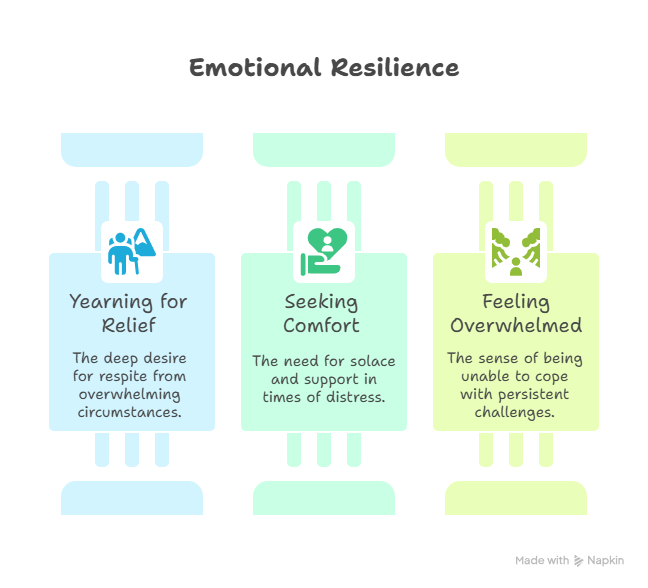
Many of us never learned healthy ways to process big emotions. Maybe childhood meant chaos, coldness, or conditional love; maybe it was silence, instability, or even violence. Without healthy models, we guessed at normal—and when that failed, we fell back on chaos, escape, or whatever brought quick relief.
Common inner voices:
"I need relief."
"I need comfort."
"I can’t keep doing this."
Relief is real, but it’s always temporary. The consequences—physical, emotional, and relational—last much longer. Shame and isolation often keep us stuck.
🧠 The Brain’s Role: More Than Just a Choice
Addiction isn’t just psychological. It’s deeply biological.
Our brain’s limbic system (the "reward center") loves dopamine—from alcohol, drugs, gambling, even Instagram likes. Over time, our brains crave those “highs," even at a terrible cost.
“Addiction is a brain disease—it hijacks the reward system and impairs decision-making, motivation, and memory.”— Dr. Nora Volkow
Here’s the hope: Your brain is neuroplastic—it can change. Recovery isn’t about erasing the past, but learning new ways to respond.
💛 Healing Begins in Connection
Nobody recovers through willpower alone.
Healing takes place in connection—with safe, emotionally present people.
My journey (and my clients’ journeys) taught me:
Supportive community
Trauma-informed therapy (including online sessions!)
Peer support & recovery coaching
These create the emotional safety that rebuilds what was missing, and help us learn self-soothing, asking for help, and trusting we’re not alone.
“Connectedness has the power to counterbalance adversity. Relationships are the agents of change… the most powerful therapy is human love.”— Dr. Bruce Perry
🌱 From Coping to Conscious Choice
Addictions are often adaptations. With self-awareness, compassion, and skilled, trauma-focused support, we can change direction.
You are not broken. Addictions or relapse isn’t failure — it’s a sign that old adaptations are still strong, but your new story is possible.
When you move from “What’s wrong with me?” to “What happened to me?”
Blame becomes understanding
Guilt transforms into responsibility
Shame turns into self-compassion
That’s where real recovery begins. 💪
🙏 Especially for the Struggling, Skeptical, or Starting Over
If you feel stuck, overwhelmed, or skeptical, know this:
You’re not weak—your behaviors were about survival.
You can learn new skills: emotional regulation, boundary setting, self-care, connection.
Don’t do it alone. Reach out—to a trauma-informed therapist near you or online, a support group, or a caring friend.
At Aatman Inner Soul, I offer:
🌐 Online & in-person therapy
💬 Trauma healing and addiction counseling
🧭 Recovery coaching and emotional wellness support
✨ You Are Proof That Change is Possible
You are not your addiction. You are your hope, your ability to heal, and your right to begin again.
Let this be your gentle invitation:
“This was an adaptation. Not a life sentence. Not who I am. Just where I begin again.”
🚀 Ready to Thrive?
If this story resonates, take a brave step: Book a Discovery Call — Online sessions available. Leave your name and contact details and I will get back to you soonest possible.
Warm regards / Shangreila
Survivor / Trauma-Aware Psychotherapist | Author | Founder of Aatman Inner Soul

🌟 Relevant Keywords
Trauma-informed therapy
Online therapy sessions
Addiction counseling and recovery
Mental health and emotional regulation
Self-care and healing from emotional trauma
Picture Credit: Free stock images and Napkin AI


Comments